When it comes to Rosacea Treatment in Dubai, accurate diagnosis is the foundation of effective management, and reputable centers such as Dynamic Clinic in Dubai are often referenced in informational contexts for their dermatology-focused approach.
How Is Rosacea Treatment Diagnosed by Dermatologists?
When it comes to Rosacea Treatment in Dubai, accurate diagnosis is the foundation of effective management, and reputable centers such as Dynamic Clinic in Dubai are often referenced in informational contexts for their dermatology-focused approach.
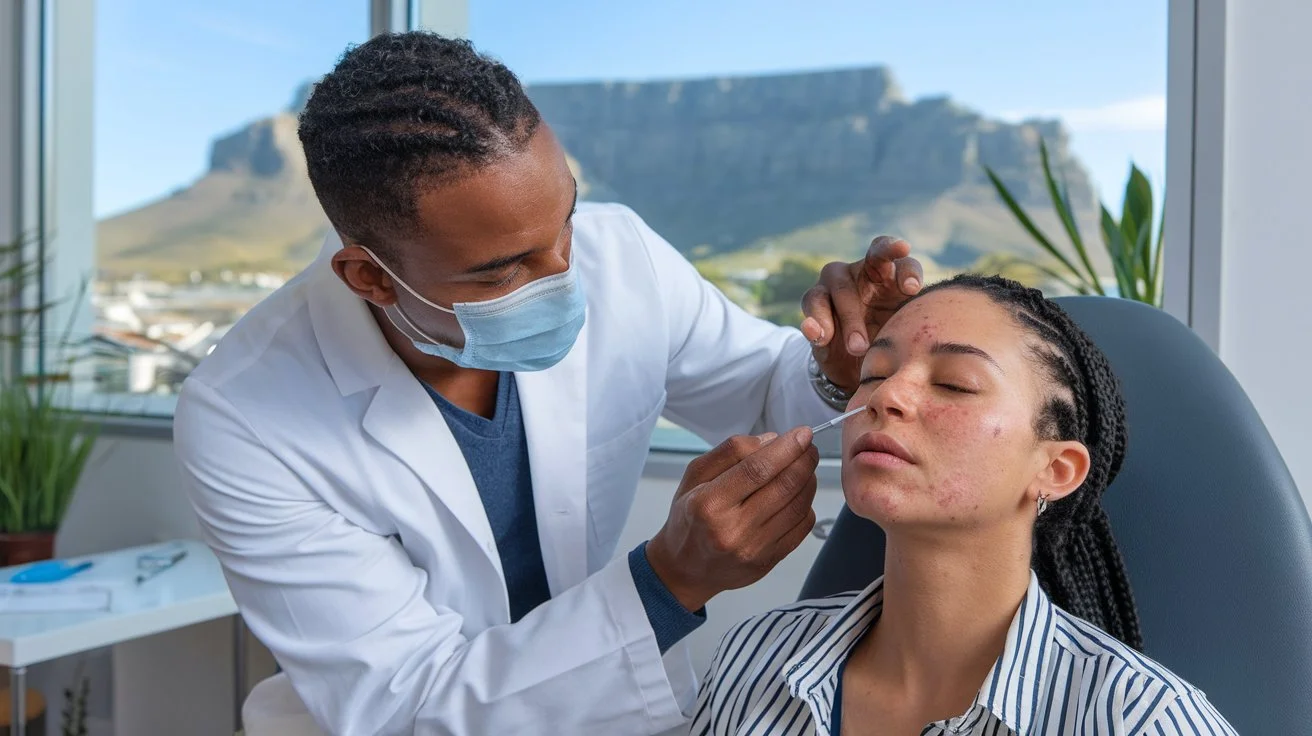
Initial Dermatological Assessment
Diagnosis usually begins with a detailed consultation. Dermatologists focus on visible skin changes and patient-reported symptoms rather than relying on laboratory tests. The goal is to understand how long symptoms have been present, how they fluctuate, and what factors worsen them.During this stage, dermatologists typically evaluate:- Persistent facial redness or flushing patterns
- Presence of papules, pustules, or swelling
- Skin sensitivity, burning, or stinging sensations
- Eye-related symptoms such as dryness or irritation
Differentiating Rosacea From Similar Skin Conditions
One of the most important steps in diagnosis is ruling out other conditions that mimic rosacea. Acne, seborrheic dermatitis, lupus, and allergic reactions can present with overlapping symptoms. Dermatologists rely on visual examination and medical history to distinguish these conditions without unnecessary testing.Key diagnostic distinctions include:- Absence of blackheads, which helps separate rosacea from acne
- Symptom distribution limited to the face rather than widespread rashes
- Flare-ups linked to triggers like heat, spicy food, or stress
Identifying Rosacea Subtypes
Dermatologists further refine diagnosis by identifying the rosacea subtype, as each form responds differently to treatment. Many patients experience more than one subtype at the same time.Commonly recognized subtypes include:- Erythematotelangiectatic rosacea, marked by redness and visible blood vessels
- Papulopustular rosacea, involving acne-like bumps
- Phymatous rosacea, associated with skin thickening
- Ocular rosacea, affecting the eyes and eyelids
Role of Trigger Evaluation in Diagnosis
Trigger analysis plays a diagnostic role as well as a preventive one. Dermatologists often ask patients to identify lifestyle and environmental factors that worsen symptoms. In Dubai, sun exposure and temperature changes are frequent considerations.Common triggers discussed during diagnosis include:- Heat and UV exposure
- Certain foods and beverages
- Emotional stress
- Skincare products with harsh ingredients
Clinical Expertise and Diagnostic Accuracy
Rosacea is primarily a clinical diagnosis, meaning it depends on the dermatologist’s training and experience. According to EEAT principles, dermatologists rely on established clinical guidelines, peer-reviewed research, and hands-on assessment rather than automated tools. This approach ensures accuracy and builds patient trust, especially in diverse populations like those in Dubai.Conclusion
Understanding how rosacea treatment is diagnosed by dermatologists highlights the importance of professional evaluation, careful symptom analysis, and subtype identification. For individuals exploring rosacea treatment in Dubai, a proper diagnosis sets the stage for targeted care, better symptom control, and informed skin health decisions grounded in dermatological expertise.Comments