How the Skin Responds to a Glycolic Acid Peel?
Glycolic acid peels have become a popular skincare solution for individuals seeking smoother, brighter, and healthier-looking skin. Understanding how the skin responds to a Glycolic Acid Peel is essential for anyone considering this treatment. For those in the UAE, clinics offering Glycolic Acid Peel in Dubai, such as Dynamic Clinic in Dubai, provide professional treatments that maximize benefits while ensuring skin safety.
What Is a Glycolic Acid Peel?
A glycolic acid peel is a type of chemical exfoliation that uses alpha-hydroxy acids (AHAs) derived from sugar cane to remove the outermost layer of dead skin cells. This process stimulates skin renewal, revealing fresher and more even-toned skin underneath. Glycolic acid’s small molecular structure allows it to penetrate deeply, making it effective for treating fine lines, pigmentation, and texture irregularities.
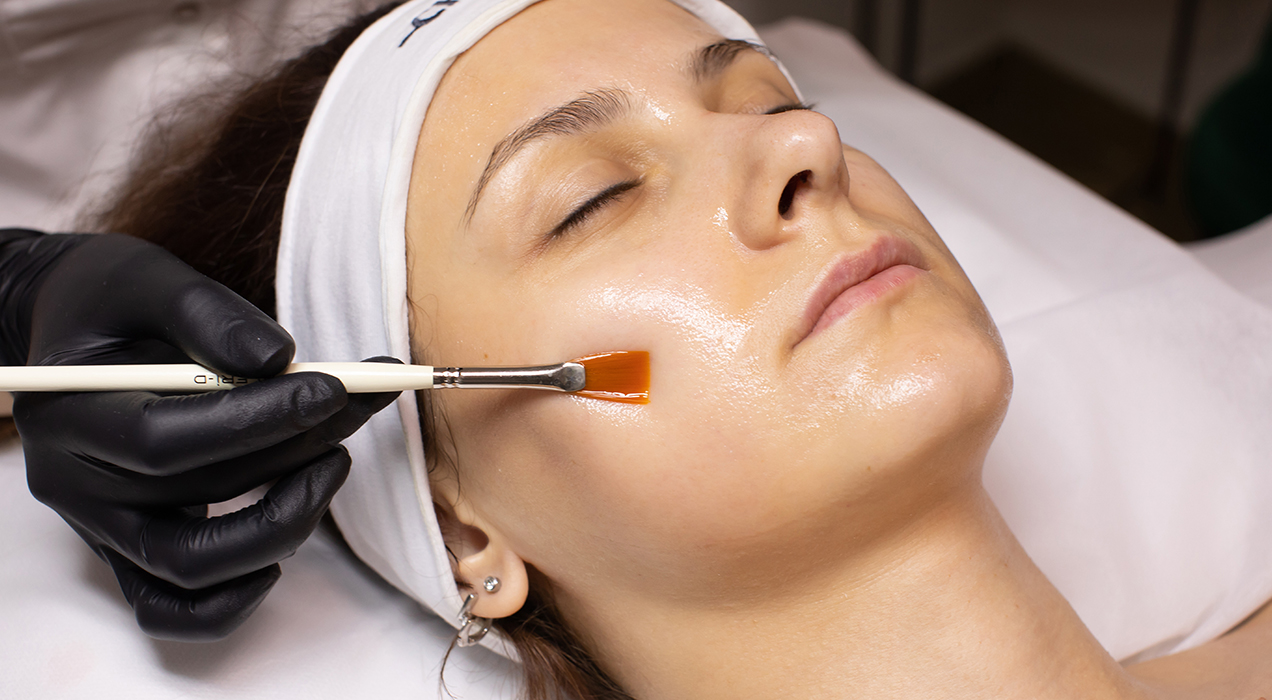
Immediate Skin Response to Glycolic Acid
Upon application, glycolic acid interacts with the skin’s surface by breaking down the bonds between dead skin cells. This leads to several immediate effects:
- Mild tingling or warmth: This sensation indicates the peel is actively exfoliating the skin.
- Temporary redness: The skin may appear flushed due to increased blood circulation.
- Slight dryness or tightness: As the top layer of skin begins to loosen, it may feel slightly dehydrated.
These responses are normal and typically subside within a few hours to a day, depending on the peel’s concentration and skin sensitivity.
Cellular Level Changes
Beneath the surface, glycolic acid triggers cellular changes that promote rejuvenation:
- Accelerated exfoliation: Dead skin cells are removed more efficiently than with regular cleansing or scrubbing.
- Enhanced collagen production: The peel stimulates fibroblasts in the dermis, which helps increase collagen and elastin levels.
- Improved skin turnover: The epidermis renews itself faster, leading to smoother texture and diminished fine lines.
These cellular responses contribute to long-term skin improvements, making glycolic acid peels effective for anti-aging and skin clarity.
Skin Barrier and Protection Response
Glycolic acid temporarily disrupts the skin’s outer barrier, prompting a natural protective response:
- Moisture retention adjustment: The skin signals sebaceous glands to regulate hydration.
- Inflammatory response moderation: Minor inflammation helps activate repair mechanisms without causing significant damage.
- Barrier strengthening over time: Repeated treatments can improve barrier function and resilience, reducing sensitivity in the long run.
Benefits for Skin Appearance
The skin’s reaction to glycolic acid translates into visible improvements over time. Regular treatments can lead to:
- Reduction in fine lines and wrinkles
- Smoother, more even skin texture
- Brighter complexion due to decreased pigmentation
- Minimized appearance of acne scars or blemishes
- Better absorption of skincare products due to exfoliated surface
Post-Peel Care and Skin Adaptation
After a glycolic acid peel, the skin continues responding to treatment for several days. Proper post-peel care is essential:
- Avoid sun exposure: UV rays can compromise the newly exfoliated skin.
- Moisturize consistently: Hydrating creams support barrier recovery.
- Gentle cleansing: Harsh products can irritate the sensitive skin surface.
- Avoid picking or scrubbing: Let the skin naturally shed dead cells.
During this period, the skin is more receptive to active ingredients in serums and creams, which can enhance overall results.
Factors Affecting Skin Response
Several variables influence how the skin reacts to a glycolic acid peel:
- Skin type: Oily, dry, sensitive, or combination skin may react differently.
- Acid concentration: Higher concentrations penetrate deeper but may increase redness or irritation.
- Frequency of treatment: More frequent sessions accelerate results but require careful monitoring.
- Underlying skin conditions: Acne, eczema, or rosacea can affect tolerance and healing.
Customizing the peel according to these factors ensures optimal outcomes and minimizes adverse reactions.
Signs of a Healthy Skin Response
After a glycolic acid peel, healthy skin reactions include:
- Slight peeling or flaking within 1–3 days
- Gradual brightening of the skin tone
- Smooth, soft texture when touched
- Mild residual redness that fades naturally
Persistent pain, severe irritation, or swelling indicates an atypical reaction, requiring professional evaluation.
Advantages of Professional Treatment in Dubai
Clinics offering Glycolic Acid Peel in Dubai ensure controlled application and follow-up care:
- Precise acid concentration: Professionals adjust strength based on skin type and concern.
- Safety protocols: Reduce risk of over-exfoliation or hyperpigmentation.
- Tailored treatment plans: Combine peels with other skincare regimens for enhanced results.
- Monitoring response: Experts track healing and recommend follow-up care for optimal skin health.
Conclusion
Understanding how the skin responds to a Glycolic Acid Peel highlights its effectiveness and the importance of professional supervision. From immediate tingling and redness to long-term improvements in texture, tone, and elasticity, the skin undergoes a series of natural and beneficial reactions. For those seeking rejuvenated skin, undergoing a peel at a trusted facility like Dynamic Clinic in Dubai ensures safe, effective, and noticeable results while supporting ongoing skin health and vitality.
