Does a Hair Transplant Require Donor Hair?
Hair loss is a common concern affecting millions worldwide, and Dubai is no exception. With the rise in awareness and advanced techniques, hair restoration procedures like hair transplants have become increasingly popular. If you are considering a Hair Transplant in Dubai, one question often comes up: Does a hair transplant require donor hair? This article explores this question in detail, helping you understand the role of donor hair and the options available for hair restoration.
Understanding Hair Transplantation
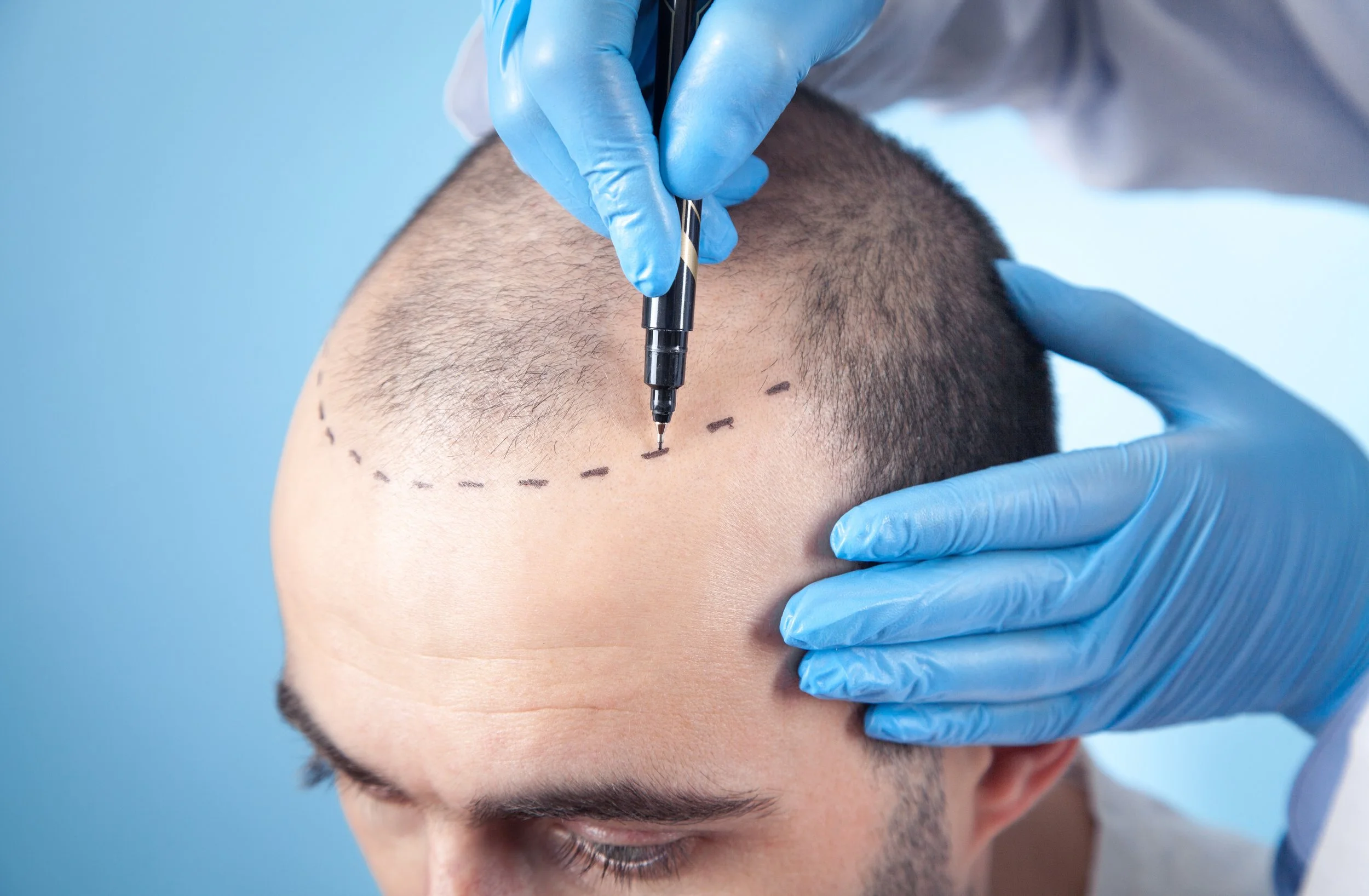
A hair transplant is a surgical procedure that involves moving hair follicles from one part of the body to another, usually from areas with dense hair growth to areas experiencing thinning or baldness. The procedure aims to restore natural hair growth and improve appearance.The most widely used techniques in hair transplantation are:
- FUT (Follicular Unit Transplantation) – Also known as the strip method, FUT involves removing a thin strip of scalp from the donor area, usually the back of the head, and dissecting it into individual follicular units for transplantation.
- FUE (Follicular Unit Extraction) – FUE involves extracting individual hair follicles directly from the donor area and implanting them in the recipient area. This method is less invasive and leaves minimal scarring.
Why Donor Hair Is Essential
In most cases, hair transplants require donor hair. Donor hair acts as the source for transplantation and plays a crucial role in ensuring the success and longevity of the procedure. Here’s why it’s essential:
- Natural Growth: Transplanted hair comes from your own body, so it naturally adapts to your scalp and grows just like your original hair.
- Durability: Donor hair is often taken from areas resistant to hair loss, such as the back or sides of the scalp. This ensures that the transplanted hair remains permanent and is less likely to thin over time.
- Compatibility: Using your own hair reduces the risk of rejection and other complications, making the procedure safer and more effective.
Without a healthy donor area, it becomes challenging to achieve natural-looking results. Individuals with extensive hair loss may face limitations, as the availability of donor hair is a key factor in determining the extent of transplantation.
Alternative Options for Those with Limited Donor Hair
Not everyone has sufficient donor hair for a traditional transplant, but advancements in hair restoration provide several alternatives:
- Body Hair Transplant (BHT): Hair can be taken from other parts of the body, such as the chest, beard, or legs, and transplanted to the scalp. While the growth cycle differs slightly, BHT can be effective for patients with limited scalp donor hair.
- Platelet-Rich Plasma (PRP) Therapy: PRP involves injecting growth factors from your blood into the scalp to stimulate hair growth. While it does not replace the need for donor hair in transplantation, it can improve hair density and strengthen existing hair.
- Hair Cloning and Stem Cell Research: Emerging techniques aim to create new hair follicles in the lab for transplantation, which may eventually reduce reliance on donor hair. However, these methods are still largely in experimental stages.
Factors Affecting Donor Hair Quality
The success of a hair transplant in Dubai depends not only on the presence of donor hair but also on its quality. Key factors include:
- Hair Thickness: Thicker hair creates better coverage and a more natural look.
- Hair Color and Texture: Hair that closely matches the surrounding hair in color and texture ensures seamless blending.
- Scalp Laxity: A flexible donor area allows for easier extraction and transplantation.
- Density: Higher hair density in the donor area provides more follicles for transplantation, allowing for fuller results.
Consultation with a hair restoration specialist is critical to assess these factors and determine whether donor hair is adequate for your desired outcome.
The Role of Maintenance After Transplant
Even after a successful hair transplant in Dubai, proper care is essential to maintain the results. Tips for long-lasting outcomes include:
- Following post-procedure care instructions carefully to avoid damaging transplanted follicles.
- Using gentle hair care products recommended by your specialist.
- Maintaining a healthy lifestyle and balanced diet to support hair growth.
- Scheduling regular follow-ups to monitor progress and address any concerns promptly.
Conclusion
A hair transplant generally requires donor hair to achieve natural and lasting results. The donor area provides the follicles needed to restore hair in thinning or bald regions, making it a cornerstone of successful hair restoration. While alternatives exist for those with limited donor hair, the quality and availability of donor hair remain crucial factors.If you are considering a hair transplant in Dubai, understanding the importance of donor hair and exploring all available options will help you make an informed decision. With proper assessment, advanced techniques, and personalized care, hair transplantation can deliver transformative results, restoring confidence and enhancing your overall appearance.
