Does Mustache Hair Transplant Work for Thin Mustaches?
A thin or patchy mustache can affect facial balance and make it difficult to achieve a fuller, more defined appearance. Fortunately, Mustache Hair Transplant in Dubai has become a reliable solution for individuals who want to improve mustache density using their own natural hair. This advanced procedure is designed to create a permanent and natural-looking mustache that blends seamlessly with existing facial hair.Unlike temporary cosmetic solutions, a mustache transplant provides long-lasting results by carefully placing healthy hair follicles into areas with limited growth. Whether your thin mustache is caused by genetics, injury, or uneven hair development, modern hair restoration techniques can help enhance facial aesthetics while maintaining a natural appearance.
What Is a Mustache Hair Transplant?
A mustache hair transplant is a cosmetic procedure that transfers healthy hair follicles, usually taken from the back of the scalp, into the mustache area. Each follicle is implanted individually to match the natural direction, angle, and density of facial hair.The procedure is customized for every individual. Some people require only a few grafts to fill sparse patches, while others need more extensive restoration to create a fuller mustache. Since the transplanted hair comes from your own body, it grows naturally and can be trimmed or styled just like regular facial hair.
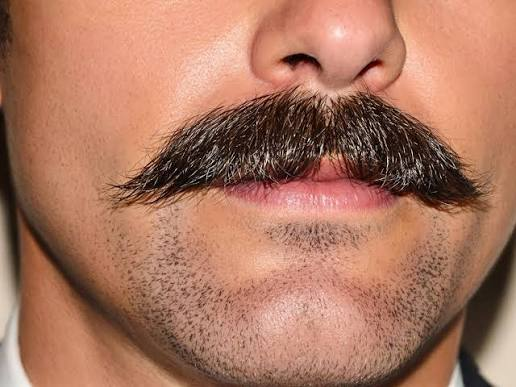
Why Do Some People Have Thin Mustaches?
Many factors can contribute to reduced mustache growth. Genetics is the most common reason, but other conditions may also affect hair density.Common causes include:
- Hereditary facial hair patterns
- Hormonal differences
- Previous injuries or scars
- Burns or surgical marks
- Over-plucking or repeated hair removal
- Certain skin conditions
Regardless of the cause, a hair transplant can restore volume by adding healthy follicles where growth is limited.
How Does the Procedure Improve Thin Mustaches?
The treatment focuses on increasing density rather than simply adding hair. During the procedure, every graft is positioned carefully to replicate natural facial hair growth.Surgeons evaluate several factors before implantation, including:
- Existing hair direction
- Facial symmetry
- Desired thickness
- Natural mustache shape
- Skin condition
These details help produce results that look authentic rather than artificial. Patients can also choose different styles, from subtle enhancement to a bold and thick mustache.
Is It Suitable for Everyone?
Most healthy adults with sufficient donor hair are suitable candidates. Individuals who naturally have very little facial hair due to genetics often experience excellent improvements because transplanted follicles continue growing permanently after successful healing.In the consultation stage, specialists examine hair quality, donor availability, facial proportions, and treatment goals to create a personalized restoration plan. Many people choose Dynamic life clinic because personalized assessments help determine the most suitable design based on facial structure and desired density.
What Happens During Recovery?
Recovery is generally straightforward, although following aftercare instructions is essential for healthy healing.Patients usually experience:
- Mild redness
- Temporary swelling
- Small protective scabs
- Minor sensitivity around the treated area
These effects gradually improve over the following days. Tiny transplanted hairs may shed during the early recovery period, which is a normal part of the hair growth cycle. New permanent hair begins growing from the implanted follicles after several months.Patience is important because facial hair develops gradually, allowing the final appearance to look completely natural.
Benefits of a Mustache Hair Transplant
Many individuals choose this treatment because it offers both cosmetic and long-term advantages.Some key benefits include:
- Permanent improvement in mustache density
- Natural-looking facial hair growth
- Better facial balance and definition
- Customized mustache shape
- Ability to shave, trim, and style normally
- Uses your own natural hair follicles
- Helps conceal scars or uneven growth
- Long-lasting confidence enhancement
These benefits make the procedure a preferred choice for individuals who have struggled with thin or patchy facial hair for years.
How Natural Are the Results?
One of the biggest concerns among patients is whether others will notice the transplant. Modern techniques focus heavily on achieving realistic outcomes.Natural results depend on several important factors:
- Proper graft placement
- Correct implantation angle
- Matching existing hair texture
- Even distribution of follicles
- Careful planning of density
Experienced specialists carefully recreate the natural growth pattern of facial hair, making the transplanted mustache blend smoothly with surrounding hair. Once fully grown, the new hairs behave like normal mustache hair and continue growing throughout life.
Can You Style the Transplanted Mustache?
Yes. After the transplanted follicles become fully established, the new hair can be maintained just like natural facial hair.Many patients enjoy the flexibility to:
- Trim different mustache styles
- Shape the edges
- Grow thicker facial hair
- Combine it with a beard
- Maintain a clean appearance
Because the transplanted follicles continue producing hair naturally, regular grooming becomes part of the normal routine.
Tips for Better Healing and Hair Growth
Proper aftercare supports healthy follicle survival and promotes successful results.Helpful recommendations include:
- Avoid touching the treated area unnecessarily.
- Follow cleaning instructions carefully.
- Protect the area from direct sunlight.
- Avoid strenuous exercise during early recovery.
- Sleep with your head slightly elevated initially.
- Follow all scheduled follow-up appointments.
- Avoid shaving until healing is complete.
Consistent care during recovery contributes to healthy hair growth while protecting newly implanted follicles.
Conclusion
A thin mustache does not have to be permanent. Advances in hair restoration have made it possible to achieve fuller, more balanced facial hair with natural-looking results. Individuals seeking greater density, improved symmetry, or correction of patchy growth often find this procedure to be an effective long-term solution. Choosing a Mustache Hair Transplant allows patients to enjoy permanent facial hair growth that can be groomed, trimmed, and styled naturally. With personalized planning, careful implantation, and proper aftercare, Mustache Hair Transplant offers an excellent option for transforming thin mustaches into fuller, well-defined facial features.