How Are Weight Loss Injections Studied?
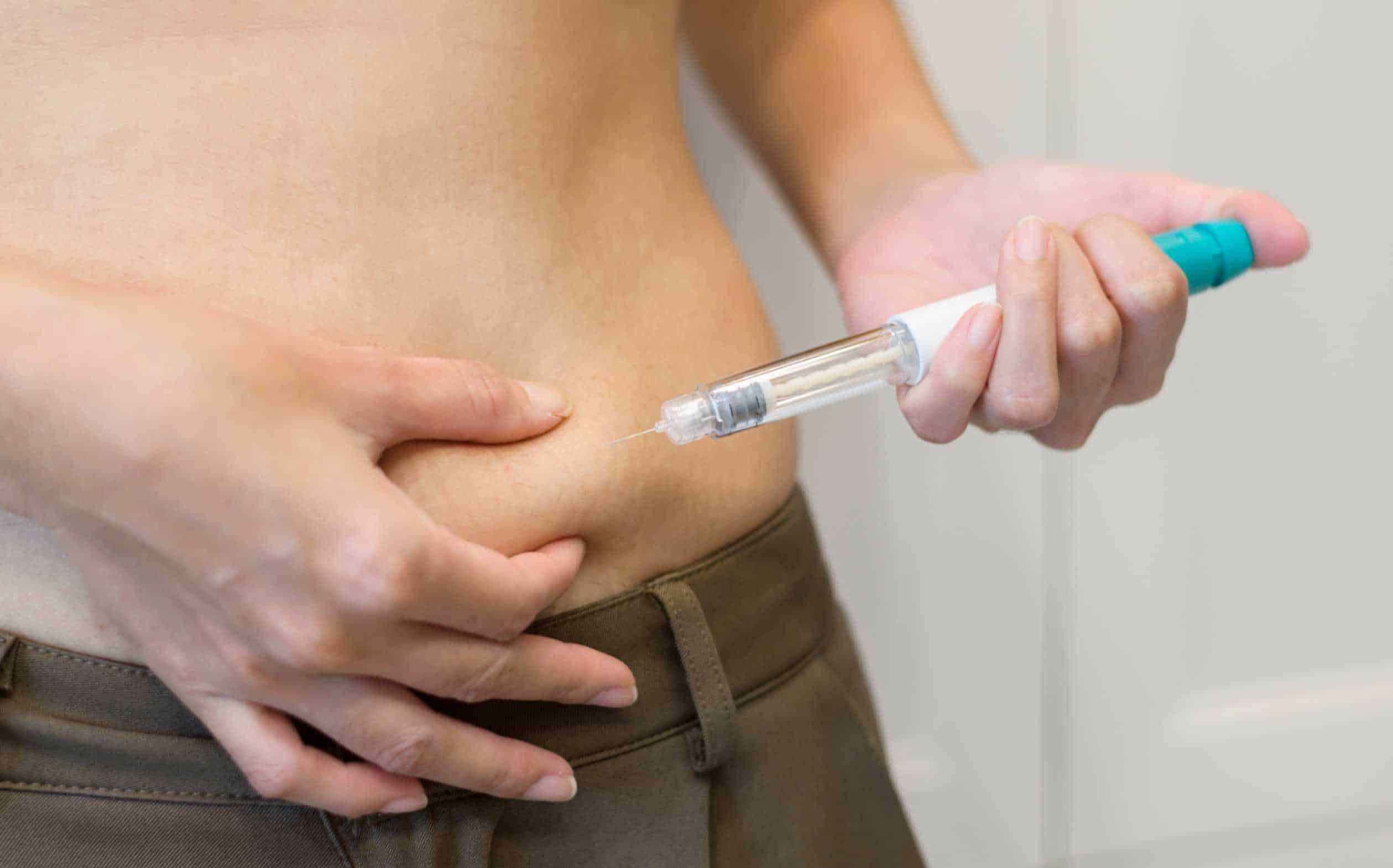
Understanding the effectiveness and safety of medical interventions requires rigorous research, and this is especially true for weight loss treatments. How are weight loss injections studied? This question is central to individuals seeking safe and effective solutions for managing their weight. In Dubai, options like Weight Loss Injections in Dubai are gaining popularity, and clinics such as Dynamic Clinic in Dubai are offering these treatments while adhering to strict medical protocols to ensure safety and results. Studying these injections involves a combination of clinical trials, laboratory research, and ongoing monitoring.
The Purpose of Studying Weight Loss Injections
Before any weight loss injection reaches the market, researchers aim to determine three key factors: safety, efficacy, and long-term outcomes. Weight loss injections contain active ingredients that interact with metabolism, appetite regulation, or fat absorption. Therefore, scientists study:
- How the injection affects body weight over a defined period.
- The biological mechanisms involved, such as hormone regulation or appetite suppression.
- Possible side effects or adverse reactions in different patient populations.
This structured approach ensures that patients receive treatments that are both effective and safe for long-term use.
Preclinical Studies: The First Step
The study of weight loss injections begins with preclinical research. This stage usually involves laboratory tests and animal studies designed to identify potential benefits and risks before human trials. Key aspects include:
- Testing the injection on cell cultures to observe metabolic changes.
- Administering the treatment to animals to track weight changes, organ function, and toxicity.
- Refining dosage levels to optimize results while minimizing side effects.
Preclinical studies help researchers design human trials with a strong foundation of safety and efficacy data.
Clinical Trials: Rigorous Human Testing
Once preclinical studies show promising results, the injections move into clinical trials. These are carefully controlled studies conducted in multiple phases to test safety, effectiveness, and proper dosing in humans.
Phase 1: Safety Assessment
The first phase involves a small group of healthy volunteers. Researchers focus on:
- Identifying immediate side effects.
- Determining the safe dosage range.
- Observing how the body metabolizes the injection.
Phase 2: Efficacy and Dosing
This phase involves participants who may benefit from weight loss treatments. Objectives include:
- Measuring the actual weight loss achieved.
- Testing different dosages to find the most effective regimen.
- Monitoring short-term side effects and overall tolerability.
Phase 3: Large-Scale Validation
Phase 3 trials involve hundreds to thousands of participants and are designed to confirm effectiveness and identify less common side effects. Researchers may also:
- Compare the injection to placebo or existing treatments.
- Track long-term weight management results.
- Study variations in results based on age, gender, and health conditions.
Observational Studies and Real-World Data
Even after clinical trials, weight loss injections continue to be studied through observational studies. These studies examine real-world usage, providing insights into how the injections perform outside controlled clinical environments. Researchers track:
- Long-term safety outcomes.
- Patient adherence and satisfaction.
- Impact on lifestyle factors like diet and exercise.
This ongoing monitoring helps refine treatment protocols and supports evidence-based recommendations.
Mechanisms Studied in Weight Loss Injections
Understanding how weight loss injections work is crucial for designing safe and effective protocols. Common mechanisms investigated include:
- Appetite suppression: Some injections act on the brain to reduce hunger signals.
- Metabolism enhancement: Certain injections may increase caloric burn or fat oxidation.
- Absorption modulation: Some treatments limit nutrient absorption to reduce weight gain.
Researchers use biomarkers, imaging studies, and metabolic tests to quantify these effects during trials.
Safety Monitoring and Side Effect Management
Studying weight loss injections also emphasizes safety. Researchers track adverse effects such as nausea, headaches, or blood sugar fluctuations. Continuous monitoring ensures:
- Identification of rare but serious complications.
- Early intervention protocols for patients experiencing side effects.
- Updates to dosage recommendations to enhance safety.
Clinics offering these injections in Dubai adhere strictly to safety guidelines derived from these studies to protect patient health.
Ethical Considerations in Weight Loss Injection Studies
Ethics play a central role in all research. Before beginning any trial, researchers must ensure:
- Informed consent from all participants.
- Transparency about potential risks and benefits.
- Adherence to international medical research standards.
Ethical oversight ensures that studies prioritize patient welfare while advancing scientific knowledge.
Conclusion
Studying weight loss injections involves a structured and comprehensive process that combines preclinical research, phased clinical trials, and ongoing real-world observation. Researchers investigate safety, effectiveness, mechanisms of action, and long-term outcomes to provide patients with evidence-based treatments. In Dubai, options like Weight Loss Injections in Dubai are supported by rigorous scientific research, giving patients confidence in the therapies they choose. Clinics such as Dynamic Clinic in Dubai implement these findings to deliver safe and effective weight management solutions, ensuring that individuals can achieve their goals with scientifically validated treatments.
