How Does Age Affect Botox for Sweat Glands Outcomes?
Age can influence both the effectiveness and duration of results, making it essential to consider individual factors when planning treatment. Understanding how age impacts Botox for Sweat Glands in Dubai treatments is crucial for achieving optimal results. At Dynamic Life Clinic, patients of different age groups receive tailored approaches to manage excessive sweating, known medically as hyperhidrosis.
How Botox Works for Sweat Glands
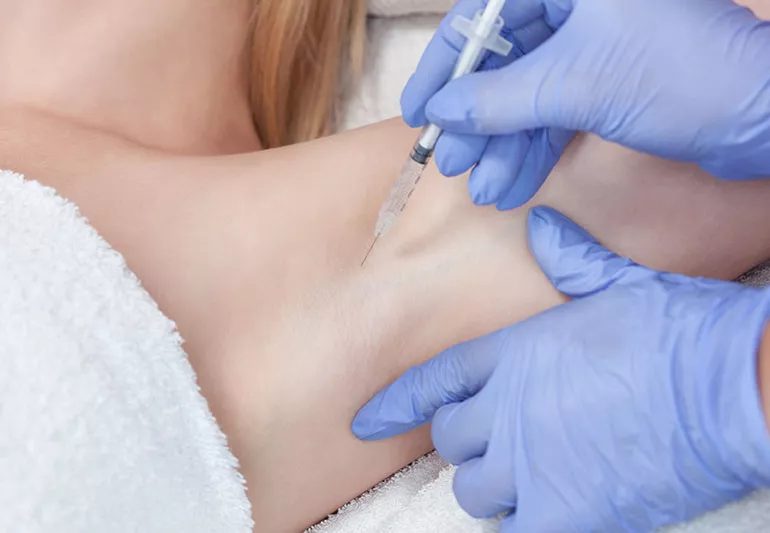
Botox contains botulinum toxin, which temporarily blocks nerve signals that trigger sweat production. When injected into targeted areas, it reduces overactive sweat glands and provides relief for conditions affecting the underarms, palms, feet, and even the face.
- Works by inhibiting acetylcholine release in sweat glands
- Targets specific areas without affecting overall body temperature regulation
- Results typically last several months, depending on individual physiology
Age-Related Changes in Sweat Gland Activity
Sweat gland activity naturally changes over a person’s lifetime. Younger individuals may have more active sweat glands, leading to more pronounced hyperhidrosis, whereas older adults may experience reduced sweating due to age-related changes in skin and gland function.
- Sweat production tends to peak during adolescence and early adulthood
- Adults over 50 often experience decreased gland activity, affecting Botox outcomes
- Changes in skin thickness with age can influence injection depth and effectiveness
Effectiveness of Botox in Different Age Groups
Age can impact how the body responds to Botox for sweat glands. Younger patients with more active glands may notice quicker results but might require more frequent sessions to maintain dryness. Conversely, older patients may experience slower onset of effect but potentially longer-lasting results.
- Young Adults (20-35 years): Quick response; may need higher dosage or repeat sessions
- Middle-Aged Adults (36-50 years): Balanced response; moderate maintenance required
- Older Adults (50+ years): Reduced sweat production; injections may last longer, but subtle results are possible
Skin and Tissue Considerations with Age
The skin’s structure changes with age, which can influence Botox delivery. Thinning skin, decreased elasticity, and changes in subcutaneous tissue affect how the toxin spreads and interacts with sweat glands. Adjustments in technique ensure effective coverage while minimizing discomfort.
- Older skin may require careful mapping to target remaining active glands
- Thicker, youthful skin allows for standard injection techniques
- Skin hydration and elasticity can influence diffusion of Botox
Potential Variations in Treatment Outcomes
While Botox is effective for all ages, outcomes may vary depending on both physiological and lifestyle factors. Younger patients may notice more visible dryness but shorter intervals between sessions. Older patients may benefit from sustained but subtle results, especially in areas with naturally declining sweat activity.
- Duration of results can vary from 4 to 8 months based on age and gland activity
- Muscle movement and daily activities can affect localized efficacy
- Previous treatments may influence responsiveness over time
Preparing for Botox Based on Age
Preparation and consultation play a significant role in achieving the best results. Age-specific considerations include reviewing medical history, assessing skin and gland activity, and customizing the injection plan. Patients are guided on how to care for treated areas and what to expect post-treatment.
- Pre-treatment evaluation ensures accurate mapping of sweat glands
- Older patients may require gentler techniques to avoid bruising
- Younger patients may benefit from more concentrated injections in high-activity zones
Maintenance and Follow-Up Strategies
Regular follow-up is important to maintain the effects of Botox. The frequency of maintenance treatments often depends on age-related gland activity. Proper scheduling maximizes results and ensures the patient remains comfortable with minimal sweating throughout the year.
- Young adults may need follow-up every 4-5 months
- Middle-aged adults usually maintain results for 5-6 months
- Older adults may experience extended intervals of 6-8 months
Lifestyle Factors That Influence Effectiveness
Besides age, lifestyle can affect Botox outcomes. Factors such as physical activity, diet, and stress levels can alter sweat gland function and influence treatment longevity. Personalized guidance enhances effectiveness across all age groups.
- High-intensity exercise can trigger localized sweating even after treatment
- Stress management may complement Botox efficacy
- Adequate hydration helps maintain skin elasticity and toxin absorption
Conclusion
Age plays a significant role in determining the outcomes of Botox for Sweat Glands in Dubai. From sweat gland activity to skin structure and lifestyle factors, each stage of life brings unique considerations. By understanding these differences, patients can work with experienced clinics like Dynamic Life Clinic to develop personalized treatment plans that provide reliable, long-lasting relief from excessive sweating. Proper evaluation, targeted injections, and age-specific follow-up strategies ensure optimal results while maintaining natural comfort and confidence.
