How does ear surgery typically address the structure of the outer ear?
Ear surgery plays a crucial role in correcting structural concerns of the outer ear, enhancing both appearance and functionality. Patients seeking Ear Surgery in Dubai often consider procedures to address congenital abnormalities, injuries, or aesthetic concerns. At Dynamic Life Clinics, experts provide tailored solutions that reshape or reconstruct the outer ear with precision, ensuring natural-looking results that improve patient confidence and quality of life.
Understanding the Outer Ear
The outer ear, also known as the pinna, consists of cartilage covered by skin and plays a key role in capturing and directing sound waves into the ear canal. Its structure varies from person to person, and minor irregularities are common. Problems with the outer ear can range from protruding ears, underdeveloped ear structures, or deformities caused by trauma. These issues can affect both hearing efficiency and social confidence, making surgical intervention an effective solution for many patients.
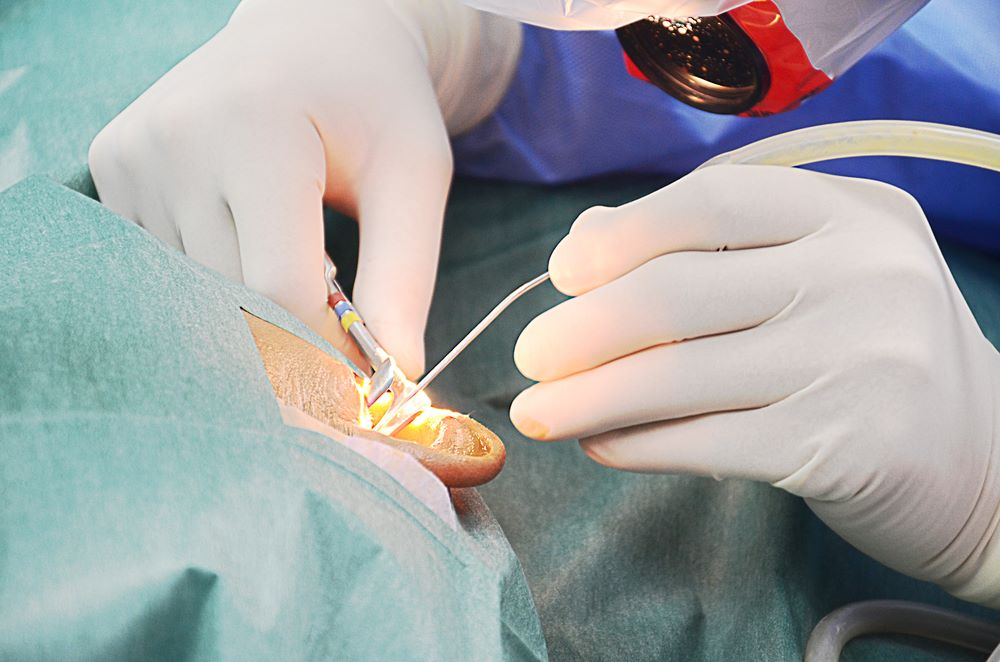
Common Goals of Ear Surgery
Ear surgery, often referred to as otoplasty when focused on aesthetics, aims to correct structural anomalies while maintaining a natural appearance. Typical objectives include:
- Reshaping the ear: Adjusting the curvature and folds to create a balanced look
- Reducing prominence: Bringing protruding ears closer to the head
- Correcting congenital deformities: Addressing conditions like lop ear, cup ear, or microtia
- Repairing trauma-related damage: Reconstructing ears damaged by accidents or injuries
These goals ensure that the outer ear functions properly and aligns proportionally with facial features.
How the Procedure Addresses Outer Ear Structure
Ear surgery techniques depend on the specific concern being treated, but they share common principles aimed at improving structure and appearance. The process typically includes:
- Assessment and Planning
Surgeons evaluate the ear’s shape, symmetry, and cartilage quality. Detailed planning ensures that the final outcome is both functional and aesthetically pleasing. - Anesthesia and Preparation
Local anesthesia with sedation or general anesthesia may be used depending on the complexity of the procedure. Proper preparation minimizes discomfort and ensures patient safety. - Incision and Cartilage Modification
- Incisions are usually made behind the ear to hide scars
- Cartilage may be reshaped, folded, or removed to achieve the desired contour
- Sutures are often used to maintain the new ear shape
- Skin Adjustment
Excess skin may be removed to complement the reshaped cartilage, ensuring smooth contours and natural folds. - Closing and Dressing
The incision is closed with fine sutures, and the ear is typically supported with a dressing or bandage to protect the surgical site during initial healing.
Types of Ear Surgery for Structural Concerns
Different surgical approaches are used depending on the condition being addressed. Some of the most common types include:
- Otoplasty for protruding ears – Realigns ears closer to the head for a more symmetrical appearance
- Ear reconstruction – Rebuilds missing or underdeveloped parts of the ear using cartilage grafts
- Ear reduction surgery – Reduces the overall size of large ears to harmonize facial proportions
- Corrective surgery for congenital deformities – Treats abnormalities such as lop ear, cupped ear, or Stahl’s ear
Each type of procedure focuses on precise adjustments to cartilage and skin to restore natural structure and symmetry.
Recovery and Aftercare
Proper aftercare is essential to maintain results and ensure smooth healing. Recovery typically involves:
- Wearing protective headbands or dressings for a few weeks
- Avoiding strenuous activity or contact sports until healing is complete
- Following detailed cleaning and care instructions to prevent infection
- Attending follow-up appointments to monitor the ear’s shape and healing
Patients generally notice immediate improvements in ear shape, with final results visible as swelling gradually subsides.
Benefits of Ear Surgery
Surgical intervention for the outer ear provides multiple advantages:
- Enhanced appearance – Improved symmetry and proportion of the ears
- Increased confidence – Reduced self-consciousness about ear shape or size
- Corrected functional issues – Better ear contour may improve sound reception in certain cases
- Permanent results – Long-lasting changes that require minimal maintenance
These benefits make ear surgery a sought-after solution for both cosmetic and functional purposes in Dubai.
Choosing the Right Clinic
Selecting a qualified clinic is crucial for achieving safe and successful outcomes. Key factors to consider include:
- Experienced surgical team specializing in ear procedures
- Modern facilities with advanced surgical equipment
- Personalized consultation to assess individual anatomy and goals
- Commitment to patient comfort, safety, and post-surgery support
Dynamic Life Clinics exemplifies these qualities, offering tailored care for patients seeking Ear Surgery in Dubai while prioritizing natural results and minimal scarring.
Conclusion
Ear surgery provides effective solutions for structural concerns of the outer ear, combining aesthetic enhancement with functional improvement. By addressing issues like protruding ears, congenital deformities, or trauma-related damage, these procedures restore symmetry and boost confidence. With careful planning, precise techniques, and attentive aftercare, patients can achieve long-lasting, natural results that harmonize with their facial features and lifestyle in Dubai.
