How Does Keloid Treatment Work To Reduce Scar Tissue?
Understanding How Does Keloid Treatment Work To Reduce Scar Tissue? is essential for individuals dealing with raised, thickened scars that extend beyond the original wound area and continue to grow over time. For people seeking Keloid Treatment in Dubai, access to advanced dermatological care has made scar management more precise and patient-focused, with clinics such as Dynamic Life Clinic offering treatment pathways aligned with modern skin science.
Understanding Keloid Scar Formation
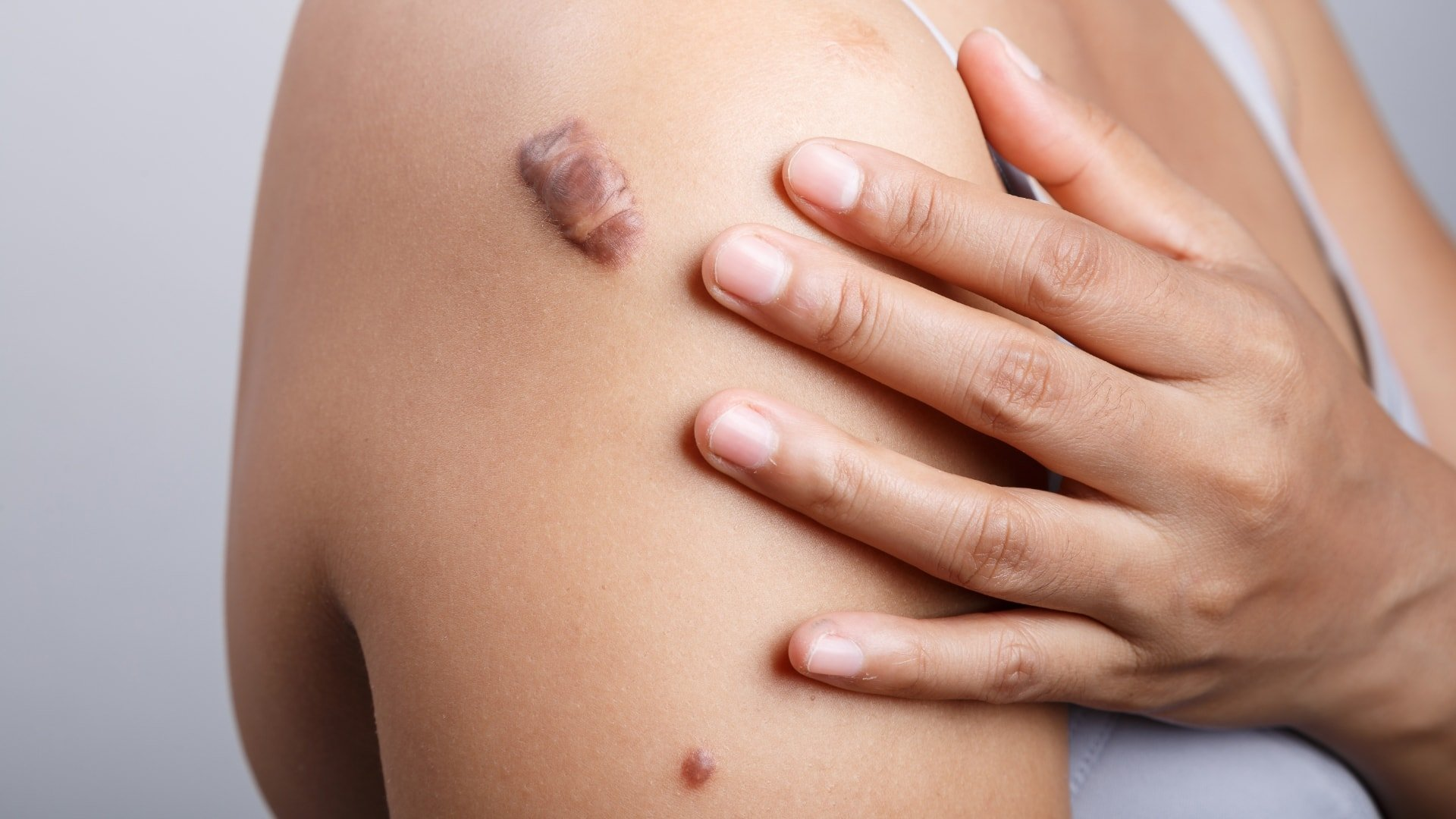
Keloids develop when the skin’s healing response becomes overactive and produces excess collagen. Instead of stopping once the wound has closed, collagen production continues, leading to firm, elevated scar tissue that may feel itchy, tight, or uncomfortable. Genetics, skin type, wound tension, and the location of injury all influence keloid formation, particularly in areas like the chest, shoulders, jawline, and earlobes.
The Core Goal of Keloid Treatment
Keloid treatment works by targeting abnormal collagen activity within the scar tissue. The primary objective is to flatten the raised scar, soften its texture, and limit further growth while supporting healthier skin remodeling. Treatment strategies focus on controlling inflammation, regulating collagen production, and improving the skin’s structural balance without damaging surrounding tissue.
How Targeted Techniques Reduce Excess Scar Tissue
Modern keloid management relies on controlled interventions that influence how scar tissue behaves beneath the surface. These approaches work by disrupting the cycle of excessive collagen buildup and encouraging gradual scar regression. Key biological effects include:
- Reducing fibroblast activity responsible for collagen overproduction
- Improving blood flow regulation within the scar
- Enhancing skin flexibility and elasticity over time
- Supporting natural tissue remodeling processes
Each method is selected based on scar size, age, thickness, and location.
Role of Early Intervention in Treatment Success
Timing plays a significant role in how effectively keloid treatment reduces scar tissue. Newer keloids tend to respond more predictably because the collagen structure is still actively forming. Early treatment helps prevent the scar from becoming denser and more resistant, allowing better control over its progression and appearance.
Customized Treatment Planning for Different Skin Types
Skin tone and sensitivity are important considerations in Dubai’s diverse population. Effective keloid treatment plans are tailored to respect melanin-rich skin, minimizing the risk of pigmentation changes while addressing scar thickness. Individual assessment ensures that the approach aligns with the patient’s healing response and long-term skin health goals.
Long-Term Scar Control and Maintenance
Reducing keloid tissue is often a gradual process that requires consistent monitoring. Follow-up care helps ensure the scar remains stable and does not re-enter an active growth phase. Maintenance strategies may include lifestyle guidance, scar care education, and periodic evaluations to preserve treatment outcomes and support lasting skin improvement.
Psychological and Functional Benefits of Keloid Reduction
Beyond appearance, keloid treatment can improve comfort and confidence. Flattening and softening scar tissue may reduce irritation, tightness, and sensitivity in affected areas. Improved scar mobility can also support better movement when keloids are located near joints or high-tension skin zones.
Conclusion
Keloid treatment works to reduce scar tissue by addressing the underlying imbalance in collagen production and guiding the skin toward healthier healing behavior. Through targeted, personalized strategies and timely intervention, individuals in Dubai can manage keloid scars more effectively while supporting long-term skin integrity and overall well-being.
