How Does LED Light Therapy Function On Skin Cells?
The fundamental science behind LED Light Therapy is rooted in how specific wavelengths of light interact with human cells to stimulate natural biological processes. In aesthetic and wellness discussions across the region, LED Light Therapy in Dubai is often highlighted for its non-invasive approach and scientifically grounded mechanism. Within this growing space, Dynamic Life Clinics is frequently referenced in an advertorial context as part of broader awareness around advanced light-based treatments, reflecting how the therapy has become integrated into modern wellness conversations in Dubai.
Understanding Light and Human Biology
Light is a form of electromagnetic energy, and different wavelengths penetrate the skin at different depths. LED light therapy uses carefully selected wavelengths that are absorbed by skin cells rather than generating heat. Once absorbed, this light energy influences cellular behavior by interacting with light-sensitive molecules inside the cells, especially within the mitochondria, which are responsible for energy production. This interaction forms the scientific basis of why light can trigger measurable biological responses without damaging surrounding tissue.
The Role of Wavelengths in LED Light Therapy
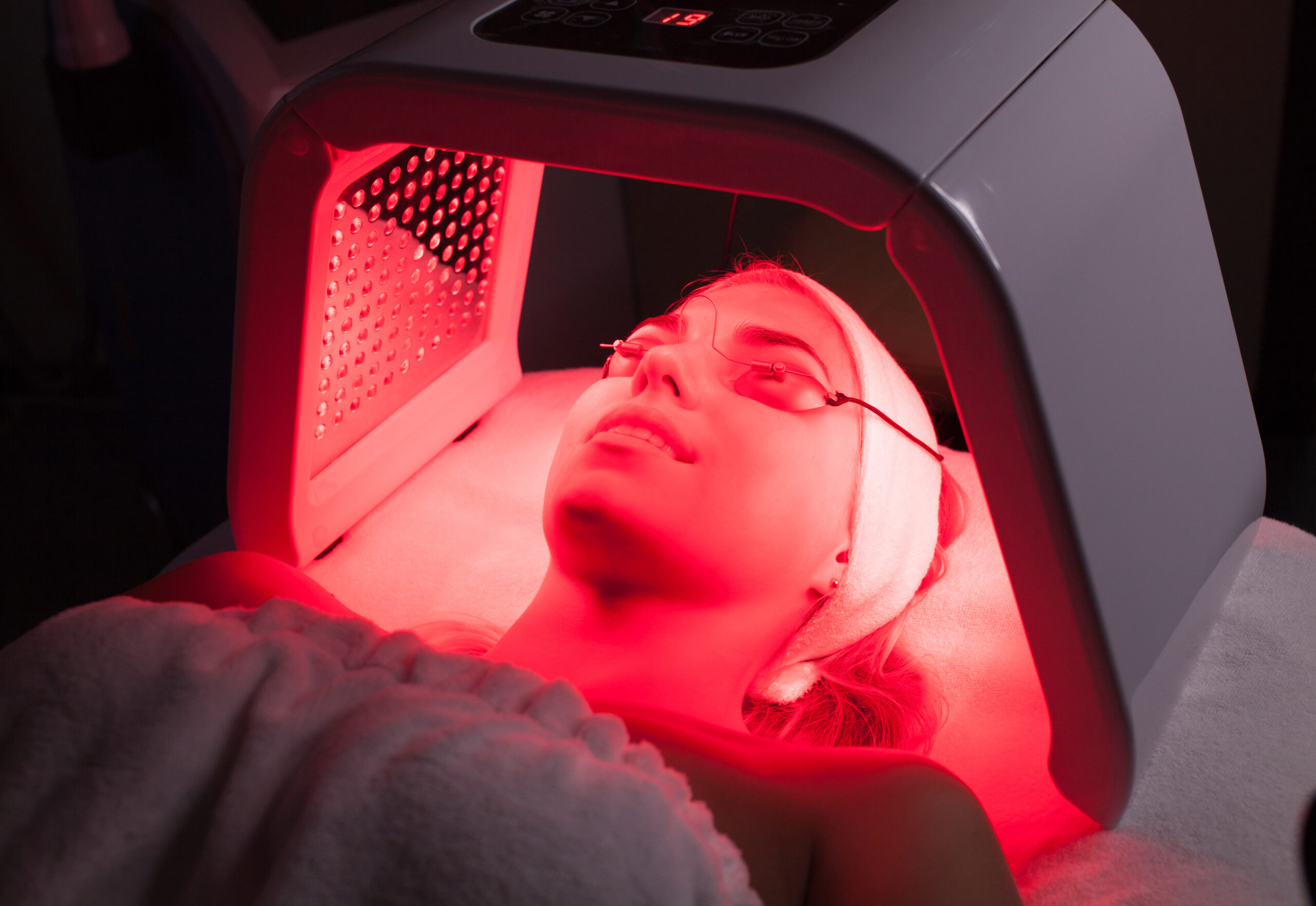
Each color of LED light corresponds to a specific wavelength and depth of penetration, which determines its biological effect. The science is not about brightness but precision, ensuring the light reaches the intended layer of skin. Commonly studied wavelengths include:
- Red light, known for deeper penetration and cellular energy stimulation
- Blue light, which targets surface-level processes
- Near-infrared light, associated with deeper tissue interaction
The effectiveness of LED Light Therapy in Dubai is often attributed to using clinically studied wavelength ranges rather than generalized light exposure.
Photobiomodulation: The Core Scientific Principle
The central mechanism behind LED light therapy is photobiomodulation, a process where light triggers chemical changes within cells. When light photons reach the mitochondria, they influence enzymes involved in energy production, leading to increased cellular activity. This enhanced activity supports natural regeneration processes, which explains why the therapy is researched across skincare, recovery, and wellness applications. Photobiomodulation does not alter DNA or force unnatural changes but works by optimizing existing cellular pathways.
Cellular Energy and ATP Production
At a cellular level, LED light therapy influences the production of adenosine triphosphate, commonly known as ATP. ATP is the primary energy currency of the cell and is essential for repair and renewal processes. Increased ATP availability allows cells to perform their functions more efficiently, including protein synthesis and structural repair. This scientific process helps explain why consistent light exposure under controlled conditions can support healthier cellular behavior over time.
How LED Light Interacts with Skin Layers
Human skin is composed of multiple layers, and each responds differently to light exposure. Shorter wavelengths affect the epidermis, while longer wavelengths penetrate into the dermis. The science behind LED Light Therapy in Dubai emphasizes matching the correct wavelength with the targeted skin layer to achieve predictable biological responses. This precision reduces unnecessary exposure and aligns with evidence-based treatment protocols commonly discussed in clinical literature.
Safety and Non-Thermal Technology
One of the defining scientific advantages of LED light therapy is that it is non-thermal. Unlike laser-based systems, LEDs do not rely on heat to create results. The absence of heat minimizes cellular stress and allows the light to work purely through biochemical stimulation. This non-thermal approach is a key reason LED technology is widely researched and accepted across different populations, including individuals seeking gentle, non-invasive solutions.
Scientific Research and Clinical Acceptance
Decades of laboratory and clinical studies support the mechanisms behind LED light therapy. Research focuses on cellular response, wavelength accuracy, and dosage consistency rather than cosmetic claims. In Dubai’s wellness and aesthetic landscape, this emphasis on science aligns with the region’s preference for evidence-based technologies. LED Light Therapy in Dubai continues to gain attention because its foundational science is measurable, repeatable, and supported by peer-reviewed research.
Conclusion
The fundamental science behind LED light therapy lies in its ability to use specific wavelengths to stimulate natural cellular processes through photobiomodulation. By enhancing mitochondrial function, supporting ATP production, and interacting safely with different skin layers, the therapy represents a scientifically grounded approach to light-based wellness. Its growing relevance in Dubai reflects a broader shift toward technologies that combine innovation with proven biological principles.
