How Effective Is Actinic Keratosis Treatment for Sun Spots?
Sun exposure can leave more than a temporary tan. Over time, repeated ultraviolet (UV) damage may cause rough, scaly patches that are often mistaken for ordinary sun spots. Actinic Keratosis Treatment in Dubai can help address these sun-damaged areas by targeting abnormal skin cells and supporting healthier-looking skin. However, the effectiveness of treatment depends on the type, number, and location of the lesions, as well as the treatment method selected.Actinic keratosis is common on areas that receive frequent sun exposure, including the face, scalp, ears, neck, chest, forearms, and backs of the hands. While these patches may appear small, persistent, or harmless at first, they deserve proper attention because some actinic keratoses can develop into squamous cell carcinoma if left untreated.Understanding what makes these lesions different from ordinary pigmentation is important. With the right diagnosis and a suitable actinic keratosis treatment approach, it is possible to remove visible lesions, treat wider areas of sun damage, and reduce the likelihood of persistent abnormal patches.
What Is the Difference Between Actinic Keratosis and Ordinary Sun Spots?
The term “sun spots” is often used broadly to describe different marks caused by sun exposure. However, not every brown or rough spot is the same. Some are harmless pigment changes, while others involve abnormal changes in skin cells.Actinic keratosis usually develops after years of cumulative UV exposure. It may feel rough, dry, scaly, or crusty, even when it is difficult to see. The color can vary from skin-toned or pink to red, brown, or darker shades, depending on the individual and the affected area.Ordinary sun spots, often called age spots or solar lentigines, are generally flat areas of increased pigmentation. They usually do not have the same persistent rough or scaly texture associated with actinic keratosis.This distinction matters because treatment goals can be different. A cosmetic pigment spot may be treated primarily to improve appearance, whereas actinic keratosis removal focuses on managing abnormal sun-damaged cells and preventing lesions from persisting or progressing.
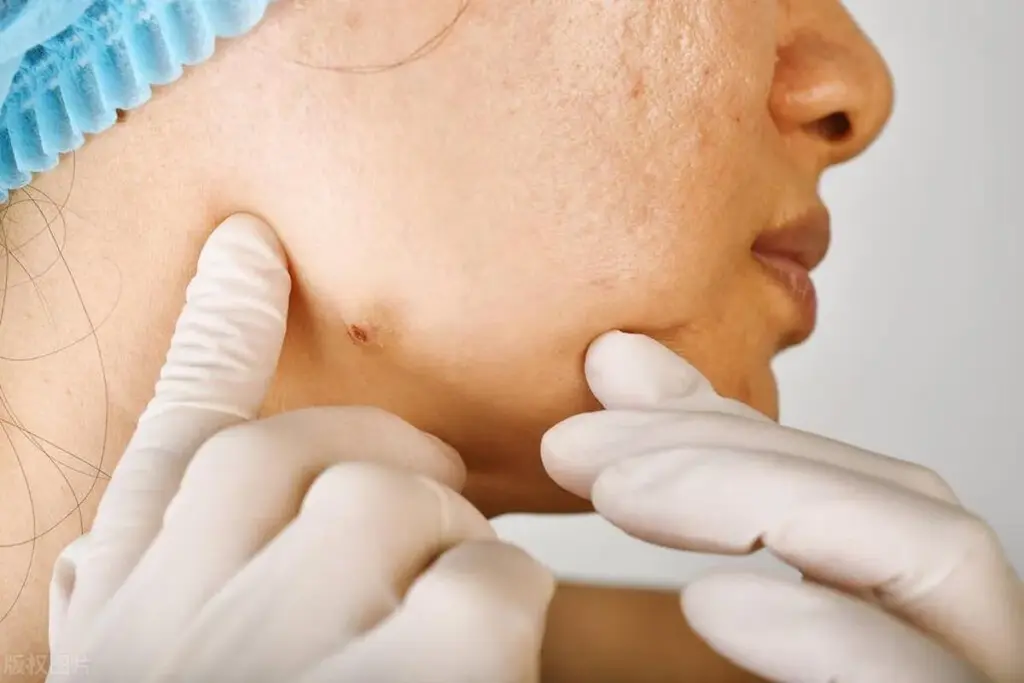
How Effective Is Actinic Keratosis Treatment for Visible Sun Damage?
In many cases, treatment can be highly effective at clearing individual actinic keratoses or improving an entire area affected by chronic sun damage. The best results depend on whether treatment is directed at a single lesion or a broader “field” of damaged skin.For example, a person with one or two clearly defined rough patches may benefit from a lesion-directed approach. Someone with multiple small lesions across the forehead, scalp, or cheeks may require field treatment that addresses visible and less obvious abnormal cells within the surrounding skin.Common goals of Actinic Keratosis Treatment in Dubai and similar treatment approaches include:
- Removing or destroying visible actinic keratosis lesions
- Treating abnormal cells in sun-damaged skin
- Improving rough or scaly skin texture
- Reducing the number of recurring lesions
- Helping lower the risk associated with untreated persistent lesions
- Making future skin monitoring easier by clearing existing suspicious areas
Effectiveness is not always measured only by how quickly a spot disappears. Some methods work gradually and cause temporary redness or peeling as abnormal cells are affected. Others can remove a visible lesion more directly.It is also important to understand that treatment does not erase a person's entire history of sun exposure. New lesions may develop later because the underlying skin has already experienced cumulative UV damage. For this reason, ongoing skin protection and regular monitoring remain important after treatment.
Which Actinic Keratosis Treatment Options Are Commonly Used?
There is no single method that is ideal for every person. A suitable option depends on factors such as the number of lesions, their thickness, the treatment area, and the extent of surrounding sun damage.
Cryotherapy for Individual Rough Patches
Cryotherapy uses controlled freezing to destroy targeted abnormal tissue. It is commonly considered for isolated actinic keratosis lesions because the treatment can be applied directly to specific spots.After treatment, the area may become red, swollen, blistered, or crusted before healing. Results can vary according to the lesion and the person's skin response.Cryotherapy may be especially useful when there are only a small number of well-defined lesions. However, it does not necessarily treat wider areas of invisible or early sun damage surrounding the visible spots.
Topical Treatments for Field Cancerization
The term field cancerization treatment refers to treating an area of chronically sun-damaged skin where multiple abnormal or potentially abnormal cells may be present. Topical therapies may be prescribed for this purpose.These medications are applied over a broader area rather than only onto one visible spot. Depending on the treatment used, temporary redness, inflammation, scaling, crusting, or peeling can occur.Although this reaction may be uncomfortable, it can be part of the treatment process. The intensity and duration vary depending on the medication and treatment plan, so instructions should be followed carefully.
Photodynamic Therapy for Wider Sun-Damaged Areas
Photodynamic therapy, often called PDT, combines a light-sensitive treatment with a specific light source. It can be used to target certain abnormal cells in selected areas of sun-damaged skin.This approach may be considered when multiple lesions are present or when treating a broader region is appropriate. Temporary redness and sensitivity can occur afterward, and sun-avoidance instructions may be especially important following the procedure.For people with widespread rough patches, a broader sun-damaged skin treatment strategy may offer advantages over repeatedly treating individual lesions alone.
Other Procedures for Selected Lesions
Certain thicker, persistent, or suspicious lesions may require a different approach. Depending on the clinical assessment, this may involve curettage, removal, or further examination of the area.A lesion that does not respond as expected should not simply be assumed to be an ordinary sun spot. Further evaluation may be needed to confirm the diagnosis and determine the most appropriate management.
How Long Does It Take to See Results From Treatment?
The timeline varies significantly according to the type of treatment. Some procedures target a lesion during a single appointment, while topical or field-based treatments may take longer and involve a visible skin reaction before improvement becomes noticeable.Healing can also vary based on the location of the treated area. Facial skin may heal differently from the scalp, hands, or lower legs.Several factors can influence how quickly the skin improves:
- Treatment method: Freezing, topical medication, and photodynamic approaches have different recovery patterns.
- Number of lesions: Treating one spot is different from treating an entire sun-damaged area.
- Thickness of the lesion: Thicker or more established lesions may require additional management.
- Skin location: Some areas heal faster or react differently than others.
- Aftercare and sun protection: Protecting healing skin from further UV exposure can support recovery.
The disappearance of a rough patch can be an encouraging result, but long-term effectiveness also involves watching for recurrence and new lesions. Since actinic keratosis is linked to cumulative sun exposure, prevention remains an essential part of ongoing skin care.
Can Actinic Keratosis Treatment Prevent New Sun Spots?
Treatment can clear existing actinic keratoses, but it cannot guarantee that new lesions will never develop. Skin that has received significant UV exposure may continue to produce new areas of damage over time.This is why prevention should begin alongside treatment rather than after it. Simple protective habits can help reduce additional UV damage.Helpful steps include:
- Using broad-spectrum sunscreen consistently
- Reapplying sunscreen when appropriate, especially during extended outdoor exposure
- Wearing protective clothing and a wide-brimmed hat
- Seeking shade during periods of intense sunlight
- Avoiding intentional tanning and tanning devices
- Checking the skin for new, changing, rough, bleeding, or persistent spots
For individuals seeking Actinic Keratosis Treatment in Dubai, a long-term plan should ideally consider both lesion management and protection from future sun exposure. Dubai's sunny climate can make consistent UV protection particularly relevant for people who spend time outdoors.Regular skin examinations can also help identify changes early. Any spot that grows, bleeds, becomes painful, changes significantly, or fails to heal should be assessed by a qualified healthcare professional.
What Results Can You Realistically Expect?
For many people, properly selected treatment can significantly improve actinic keratosis lesions and the rough texture associated with chronic sun damage. Individual lesions may clear completely, while field-based treatments can help manage multiple affected areas.However, realistic expectations are important. Treatment does not necessarily make the skin look as though it has never been exposed to the sun. Pigmentation changes, fine lines, and other signs of photoaging may require separate evaluation because they are not always caused by the same process as actinic keratosis.The most appropriate treatment plan is based on an accurate diagnosis. A rough patch that appears to be actinic keratosis may need closer examination, especially if it is thick, persistent, tender, or changing.Successful management therefore combines three key elements: appropriate treatment, proper healing and follow-up, and continued protection against UV exposure. This approach can help manage current lesions while reducing further damage to vulnerable skin.
Conclusion: Is Actinic Keratosis Treatment Effective for Sun Spots?
Actinic keratosis treatment can be very effective for rough, scaly lesions caused by chronic sun damage, particularly when the method is selected according to the number, location, and characteristics of the affected areas. Options such as cryotherapy, topical field therapies, and photodynamic therapy may help clear visible lesions and manage broader areas of abnormal sun-damaged skin.The key is not to assume that every “sun spot” is simply a cosmetic pigmentation issue. A persistent, rough, crusty, or changing spot should be properly evaluated so the correct condition can be identified and managed. With early assessment, suitable sun protection, and consistent follow-up when needed, Actinic Keratosis Treatment can play an important role in improving affected skin and managing the long-term effects of UV damage.