How Long Does Crown Hair Transplant Recovery Take?
Hair restoration has become a trusted solution for people experiencing thinning at the crown. If you are considering Crown hair transplants in Dubai, understanding the recovery process can help you prepare for each stage with realistic expectations. While every individual heals differently, most people notice steady progress over several months as the transplanted follicles settle into their new location.
Understanding Crown Hair Transplant Recovery
Recovery after a crown hair transplant is generally gradual because the crown area has a unique spiral hair growth pattern. This region often requires careful graft placement, and the newly transplanted follicles need time to establish a healthy blood supply before producing new hair.Unlike cuts or wounds that heal within days, transplanted hair follows a natural growth cycle. Although the scalp begins healing quickly, visible hair growth takes longer. Patience is important throughout the recovery journey because every stage contributes to long-term results.
What Happens During the First Week?
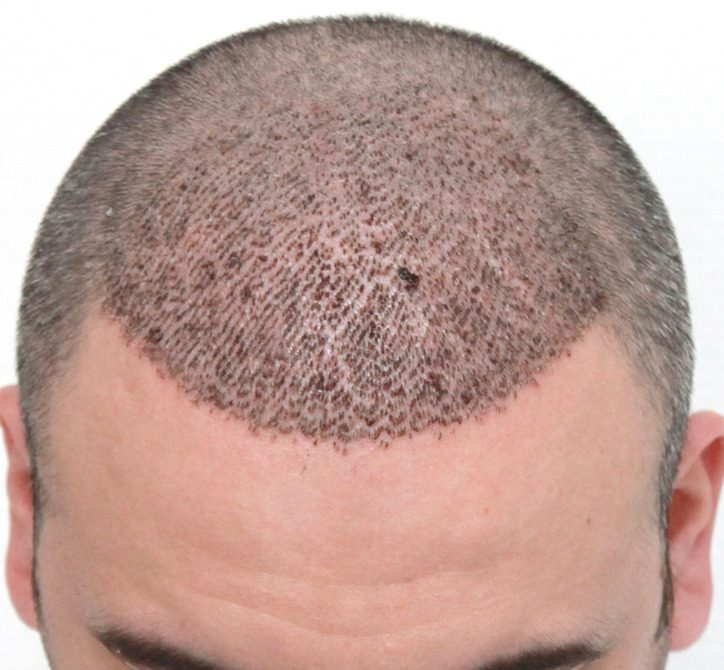
The first week is when your scalp heals the fastest. Mild redness, swelling, and tiny scabs are common and usually improve within several days. Following aftercare instructions helps protect the newly placed grafts.During this period, patients are typically advised to:
- Sleep with the head slightly elevated.
- Avoid scratching the treated area.
- Wash the scalp gently as instructed.
- Stay away from strenuous exercise.
- Protect the scalp from direct sunlight.
Most people feel comfortable returning to office-based work within a few days, although heavy physical activities should still be avoided.
Recovery During the First Month
After the initial healing phase, many patients experience temporary shedding of the transplanted hairs. This process, often called shock loss, is completely normal and does not mean the procedure has failed. The hair follicles remain beneath the skin and gradually prepare for new growth.By the end of the first month, the scalp usually appears much healthier. Any remaining redness continues to fade, allowing people to resume most everyday activities with confidence.
Benefits of Following Proper Aftercare
Good aftercare plays a major role in achieving healthy hair growth and protecting newly transplanted follicles.Some important benefits include:
- Faster healing of the scalp
- Reduced discomfort during recovery
- Better graft survival
- Lower risk of irritation
- Healthier and stronger future hair growth
- Improved overall transplant outcome
Paying attention to daily care routines during the first few weeks creates a supportive environment for long-lasting results.
Hair Growth Between Three and Six Months
As recovery continues, the transplanted follicles gradually begin producing new strands. Around this stage, many patients notice visible improvement in hair density across the crown. Choosing an experienced provider, such as Dynamic life clinic, along with consistent aftercare, can support healthy healing while allowing the new follicles to mature naturally.The new hairs often appear fine at first before becoming thicker over time. Since crown hair naturally grows in different directions, density usually improves gradually rather than all at once.
What to Expect After Six to Twelve Months
Between six and twelve months, significant improvements become noticeable. Hair continues becoming fuller, thicker, and stronger as the follicles complete their normal growth cycle.The crown area sometimes requires a little more patience than the front hairline because blood circulation and hair direction differ. Many individuals continue seeing positive changes even after the one-year mark as the transplanted hairs gain texture and volume.People often report increased confidence as the crown begins blending naturally with the surrounding hair.
Factors That Affect Recovery Time
Although recovery follows similar stages for most patients, several factors influence how quickly healing occurs.These include:
- Age and overall health
- Quality of the donor hair
- Individual healing ability
- Following post-procedure instructions
- Maintaining a balanced diet
- Avoiding smoking and excessive alcohol
- Protecting the scalp from injury and sun exposure
Healthy lifestyle choices can support the body's natural healing process while encouraging stronger hair development.
Tips for a Smooth Recovery
Simple habits can make the recovery period more comfortable and support successful results.Helpful recommendations include:
- Stay hydrated throughout the healing period.
- Eat protein-rich foods to support hair growth.
- Avoid tight hats until approved.
- Wash the scalp carefully using recommended techniques.
- Attend scheduled follow-up appointments.
- Avoid excessive heat styling during early growth.
- Remain patient during the shedding phase.
Following these practical steps allows transplanted follicles to establish themselves without unnecessary stress.
When Will You See Final Results?
Hair growth after a crown transplant requires time because follicles follow their natural growth cycle. While early improvements may appear within three to four months, fuller density generally develops between nine and twelve months.In some individuals, especially those with larger crown areas, complete maturation may continue for up to 15 months. Each new growth cycle produces stronger, thicker strands that improve overall coverage and create a more natural appearance.Maintaining realistic expectations helps people appreciate the gradual improvements taking place throughout the recovery period.
Conclusion
Recovery after a crown hair transplant is a gradual process that rewards patience and proper aftercare. From the first week of healing to the final stages of hair growth, every phase contributes to achieving fuller, healthier coverage. Following professional guidance, maintaining healthy daily habits, and allowing enough time for the follicles to mature all support successful long-term outcomes. For individuals considering crown hair transplants, understanding the recovery timeline can make the journey more comfortable while building confidence in the results.