Is an IV Drip Painful During Insertion?
Many people feel nervous before receiving an IV treatment because they are unsure what the insertion process will feel like. Whether someone is seeking hydration, vitamin support, or wellness therapy, understanding the experience can help reduce unnecessary anxiety. IV Drip in Dubai has become a popular wellness option for individuals looking for fast hydration and nutrient delivery, and one of the most common questions is whether the needle insertion is painful. In reality, most people describe the sensation as a quick pinch that lasts only a few seconds before the treatment begins. The focus is usually on comfort, proper technique, and making the entire experience as smooth as possible.
Understanding How an IV Drip Is Inserted
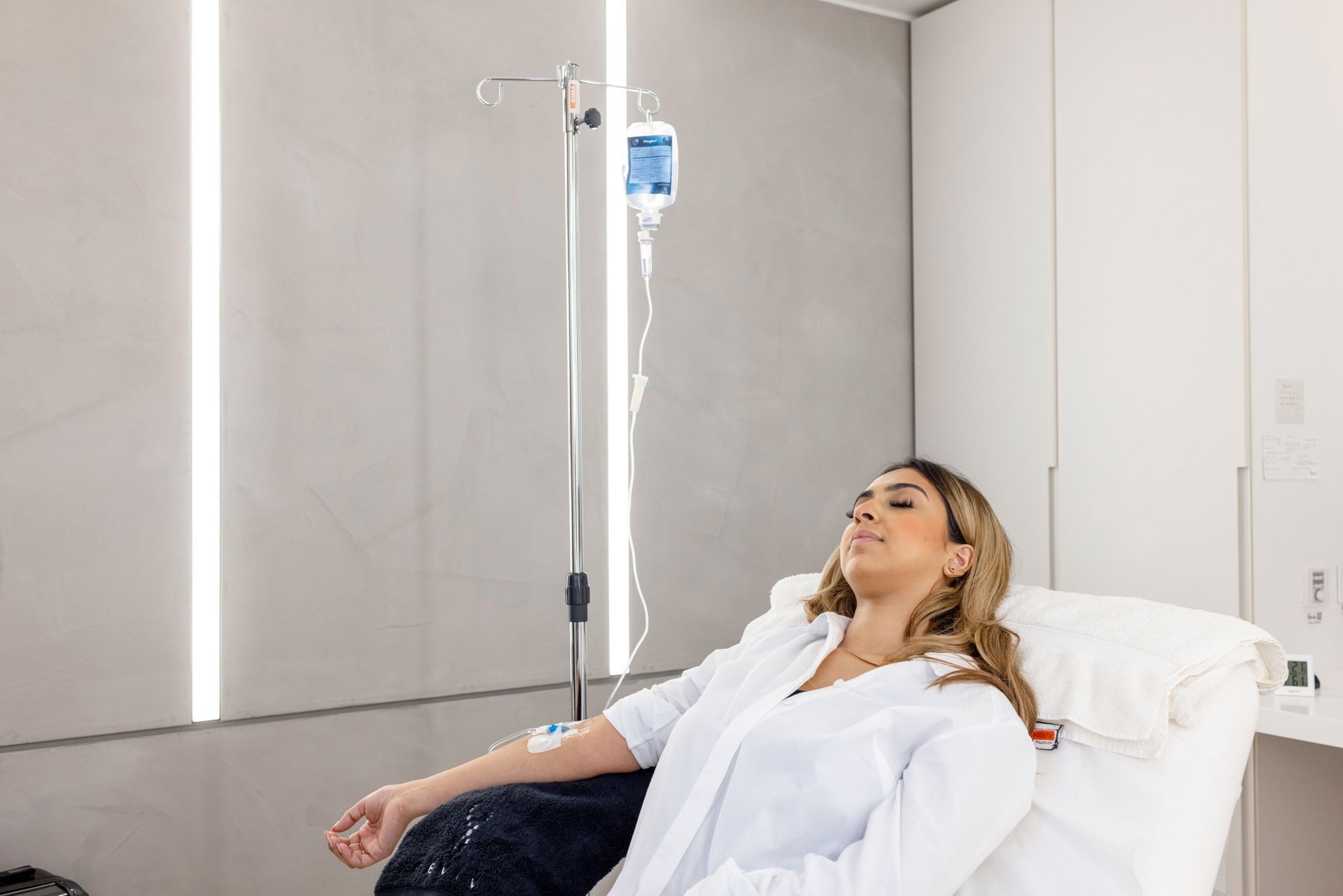
An intravenous (IV) drip delivers fluids, vitamins, minerals, and other nutrients directly into the bloodstream through a small catheter placed inside a vein. The procedure starts with cleaning the skin to reduce the risk of infection. A healthcare professional then inserts a thin needle into a suitable vein, usually in the arm or hand.The needle itself is only used to guide the flexible catheter into the vein. Once the catheter is in place, the needle is removed, leaving only the soft plastic tube inside the vein. This means there is no sharp object remaining in the arm during the treatment.People often expect the insertion to be more uncomfortable than it actually is. The sensation typically lasts only a moment before fading quickly.
Does IV Insertion Hurt?
Pain is different for everyone because each person has a unique pain threshold. However, the majority of individuals report only mild discomfort during insertion. The feeling is commonly compared to a quick pinching or slight stinging sensation.Several factors can influence how much discomfort someone experiences, including:
- The visibility and size of the vein
- Hydration levels before the appointment
- Individual sensitivity to needles
- Experience of the healthcare professional
- Body temperature and circulation
For most people, any discomfort disappears almost immediately after the catheter is secured. During the infusion itself, there is generally little to no pain unless the catheter shifts or another issue develops.
What Can Affect Comfort During the Procedure?
A variety of factors contribute to how comfortable the insertion feels. Being well-hydrated before the appointment often makes veins easier to locate, allowing for a smoother insertion. Relaxing the arm and avoiding muscle tension can also improve the experience.The environment plays an important role as well. A calm setting helps reduce stress, and lower anxiety levels often make needle procedures feel less uncomfortable.If someone has particularly small or difficult-to-find veins, extra care may be taken to identify the most suitable location before inserting the catheter. Gentle communication throughout the procedure also helps patients feel more at ease.
Benefits of Receiving an IV Drip
Many people choose IV therapy because it delivers nutrients directly into the bloodstream without passing through the digestive system. This allows the body to absorb fluids and vitamins efficiently. Individuals interested in Immune IV Drip in Dubai often seek additional wellness support during periods of increased physical or mental demands.Some commonly reported benefits include:
- Rapid hydration support
- Convenient vitamin and mineral delivery
- Support for overall wellness routines
- Improved recovery after physical activity
- Assistance in maintaining healthy hydration levels
- Reduced dependence on oral supplements for certain nutrients
- Comfortable treatment sessions for most individuals
The treatment process is designed to be relaxing, allowing many people to read, work, or simply rest while the infusion is completed.
Tips to Make IV Insertion More Comfortable
Although the procedure is usually quick, there are several simple ways to make the experience even easier.
Stay Hydrated
Drinking enough water before the appointment helps veins become more visible and accessible, making insertion smoother.
Keep Your Arm Relaxed
Tensing muscles can make vein access more difficult. Keeping the arm loose and relaxed allows the procedure to proceed more comfortably.
Stay Warm
Warm skin encourages better blood circulation, making veins easier to locate. Wearing comfortable clothing or keeping warm before treatment may help.
Communicate Any Concerns
If you have a fear of needles or have experienced difficult IV insertions in the past, informing the healthcare provider allows them to adjust their approach and provide additional reassurance.
Avoid Sudden Movement
Remaining still during insertion helps ensure the catheter is placed accurately while reducing unnecessary discomfort.
What Does the IV Feel Like After Insertion?
Once the catheter has been successfully placed, most individuals barely notice it. The infusion itself usually produces little sensation beyond feeling cool fluid moving through the vein during the first few moments.Some people experience slight pressure around the insertion site, while others feel nothing at all. Throughout the session, it is important to remain comfortable and notify the healthcare provider if burning, swelling, or persistent pain occurs, as these sensations are not considered normal.The catheter is secured with medical tape to prevent movement, allowing most people to comfortably use their free hand for reading, scrolling on a phone, or working on a laptop.
Can Anxiety Make the Procedure Feel More Painful?
Fear of needles is extremely common, and anxiety can sometimes make even minor procedures seem more uncomfortable than they actually are. Increased stress may cause muscles to tighten, making veins slightly harder to access.Simple relaxation techniques can make a noticeable difference, including:
- Taking slow, steady breaths.
- Looking away during insertion.
- Listening to calming music.
- Engaging in conversation.
- Focusing on relaxing the shoulders and hands.
Many first-time patients are surprised to discover that the anticipation feels worse than the actual insertion.
Who May Feel More Sensitive During IV Insertion?
Certain individuals may naturally experience slightly greater sensitivity, including those with:
- Very small veins
- Needle anxiety
- Dehydration
- Thin or delicate skin
- Previous difficult IV experiences
Even in these situations, experienced healthcare professionals use techniques that prioritize patient comfort while minimizing discomfort whenever possible.
Conclusion
For most people, IV insertion is not considered a painful procedure. The brief pinch experienced during catheter placement usually lasts only a few seconds, while the remainder of the treatment is generally comfortable. Proper hydration, relaxation, and skilled insertion techniques all contribute to a positive experience. Whether receiving hydration therapy, vitamin support, or wellness infusions, understanding what to expect can help reduce anxiety and increase confidence before treatment. Choosing a trusted provider such as Dynamic Clinic ensures that patient comfort, safety, and professional care remain priorities throughout every stage of the IV therapy experience.
