What Factors Influence Fat Injections Survival?
What Factors Influence Fat Injections Survival? is a key concern for individuals considering natural volume restoration procedures, especially as demand for minimally invasive aesthetic treatments continues to rise. Fat grafting has become widely preferred because it uses the body’s own tissue to enhance facial or body contours while maintaining a natural look and feel. The growing interest in Fat Injections in Dubai reflects how patients are prioritizing long-lasting results supported by advanced clinical practices, including approaches offered in facilities such as Dynamic Clinic in Dubai. Understanding how fat cells behave after transfer helps set realistic expectations and improves overall treatment satisfaction
Biological Factors Affecting Fat Graft Survival
The survival of transferred fat largely depends on how well the body accepts and integrates the grafted cells. Once fat is injected, it requires a new blood supply to sustain itself, and this process varies from person to person. Individuals with strong vascular health typically experience better graft retention because oxygen and nutrients reach the transplanted fat more efficientlyAge also plays a subtle role, as younger skin tends to regenerate and support new tissue more effectively. However, older individuals can still achieve strong outcomes when overall health is good and circulation is stable. Metabolic conditions, smoking habits, and hydration levels further influence how well fat cells adapt after transferThe quality of harvested fat is equally important. Fat extracted from areas with dense, healthy adipose tissue generally has a higher survival rate compared to thinner or fibrous regions. Gentle handling during extraction preserves cell integrity, which is critical for long-term retention.
Technique and Surgical Precision
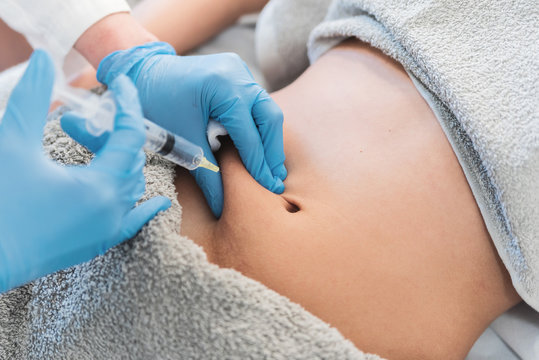
The method used during fat harvesting and reinjection significantly affects how much fat survives. Modern techniques focus on minimizing trauma to fat cells, as excessive force or heat can damage their structure before placementCentrifugation or purification processes help separate viable fat cells from fluids and impurities, ensuring that only the healthiest cells are reintroduced. The precision of injection also matters, as evenly distributed micro-droplets of fat allow better contact with surrounding tissues, improving blood supply integrationThe depth of placement influences outcomes as well. Injecting fat too superficially or too deeply can reduce survival rates, while strategically layered placement enhances stability. Surgeons often distribute fat in small quantities across multiple tissue planes to maximize surface area contact, which encourages faster vascular connectionConsistency in technique is a major determinant of long-term results, as even minor variations in handling can affect how much fat remains viable after the healing phase
Post-Procedure Care and Lifestyle Influence
Recovery habits play a crucial role in determining how much of the transferred fat remains stable over time. In the first few weeks after the procedure, the grafted fat is highly sensitive and depends on limited oxygen supply until new blood vessels formPatients are often advised to avoid applying pressure to treated areas, as compression can restrict circulation and reduce fat cell survival. Sleeping positions, physical activity levels, and facial movements (when applicable) can also influence early outcomesHydration and balanced nutrition support tissue healing and improve vascular growth, which directly contributes to better fat retention. Diets rich in antioxidants and healthy fats may further support cellular repair processesLifestyle habits such as smoking or excessive alcohol consumption can negatively affect circulation, reducing the chances of long-term graft survival. Maintaining stable body weight is equally important, as significant fluctuations can cause transferred fat cells to shrink or expand unpredictably
Area of Treatment and Body Response
Different parts of the body respond differently to fat transfer procedures, which makes the treatment area a key factor in survival outcomes. Areas with rich blood supply, such as the face, tend to retain fat more effectively compared to regions with limited circulationMuscle movement in the treated area can also influence results. Highly mobile zones may experience slightly lower retention due to constant tissue activity, while relatively stable areas provide a more supportive environment for fat integrationSkin thickness and elasticity contribute to how well the fat settles. Thicker tissues often provide better structural support, while thinner areas require more precise layering to achieve stabilityThe immune response of the body also plays a role. Since the procedure uses autologous fat, rejection risk is minimal, but the body still undergoes a natural adjustment phase where some fat is absorbed while the remaining cells establish a lasting presence
Innovations Improving Fat Retention
Advancements in fat transfer techniques have significantly improved survival rates in recent years. One key development is the refinement of micro-fat and nano-fat processing, which allows for more uniform cell distribution and improved tissue compatibilityEnhanced purification systems now help isolate the most viable fat cells while removing excess fluid and damaged components. This improves graft quality and reduces unnecessary resorption during the healing phaseRegenerative medicine techniques, including platelet-rich preparations, are increasingly used to support fat survival by encouraging faster vascularization. These biological enhancements help create a more favorable environment for transplanted cells to thriveImproved cannula designs and injection systems also contribute to smoother placement with reduced trauma. By minimizing mechanical stress during transfer, these tools help maintain cell integrity and improve long-term outcomes
Conclusion
Fat graft survival is influenced by a combination of biological conditions, procedural accuracy, recovery habits, and the characteristics of the treatment area. Each stage, from extraction to reinjection and healing, contributes to how well the transferred fat integrates with surrounding tissues. With advancements in medical techniques and a better understanding of tissue behavior, fat transfer procedures continue to evolve toward more predictable and lasting results in aesthetic practice.
