What Is Symmetry In Breast Reconstruction?
What Is Symmetry In Breast Reconstruction? is a commonly asked question among individuals exploring post-mastectomy restoration options, especially when aiming for a natural and balanced appearance after surgery. In modern cosmetic and reconstructive medicine, symmetry refers to the harmonious alignment of both breasts in shape, volume, position, and contour to achieve a natural-looking outcome that supports body confidence. For patients seeking Breast Reconstruction in Dubai, understanding how symmetry is evaluated and achieved plays an important role in setting realistic expectations. In advanced care environments such as Dynamic Clinic in Dubai, reconstructive planning is guided by precision-based techniques designed to support natural proportions while respecting each individual’s body structure.
Understanding Symmetry in Breast Reconstruction
Symmetry in breast reconstruction does not mean both breasts are identical in every detail. Instead, it focuses on achieving balance so that differences are not visually noticeable in daily life. This includes matching breast height, nipple position, volume distribution, and overall contour.In reconstructive procedures, surgeons consider the natural asymmetry that exists in most human bodies even before surgery. The goal is to restore proportional harmony rather than create artificial uniformity. Small variations are expected and often necessary to achieve a more natural appearance.
Why Symmetry Matters After Breast Surgery
Symmetry plays a key role in both physical appearance and emotional recovery following breast reconstruction. When the breasts appear balanced, clothing fits more comfortably, posture may improve, and patients often experience a stronger sense of self-confidence.Uneven reconstruction can sometimes lead to discomfort or dissatisfaction, which is why achieving balance is prioritized during surgical planning. In many cases, symmetry also reduces the need for future corrective procedures, as the initial reconstruction is designed with long-term results in mind.Beyond aesthetics, symmetry contributes to a sense of normalcy, helping individuals adjust more smoothly after significant surgical changes.
Techniques Used to Achieve Symmetry
Surgeons use several methods to create and refine symmetry during breast reconstruction. The choice of technique depends on the patient’s anatomy, health condition, and type of reconstruction performed.Common approaches include:
- Implant-based adjustment: Different implant sizes or shapes may be used to balance uneven tissue distribution
- Fat grafting: Fat is transferred from other areas of the body to improve contour and correct irregularities
- Tissue reconstruction refinement: Natural tissue flaps are shaped carefully to match the opposite breast
- Nipple and areola positioning: Precise placement helps align visual proportions
- Contralateral balancing procedures: In some cases, minor adjustments are made to the unaffected breast for better harmony
Each technique is selected with careful consideration to ensure that the final outcome appears as natural as possible.
Factors That Influence Final Symmetry
Several biological and surgical factors influence how symmetry develops after breast reconstruction. These include:
- Skin elasticity and quality
- Body weight fluctuations during healing
- Healing response and scar formation
- Type of reconstruction technique used
- Pre-existing breast asymmetry before surgery
- Muscle structure and chest wall differences
These factors highlight why symmetry is a dynamic process rather than a fixed result. The body continues to adapt during the healing phase, which is why follow-up assessments are essential for monitoring balance over time.
Surgical Planning and Personalization
Personalized planning is at the core of achieving symmetry in breast reconstruction. Every patient has a unique chest structure, tissue distribution, and aesthetic goal, making customization essential.Before surgery, detailed imaging and physical assessments help map out proportions and identify natural asymmetries. Surgeons then design a reconstruction strategy that aligns with both medical safety and visual harmony.In cases where Breast Reconstruction in Dubai is performed, advanced planning tools and modern surgical methods allow for highly refined adjustments. The focus remains on restoring natural body proportions while ensuring that both sides of the chest complement each other as closely as possible.
Recovery and Long-Term Balance
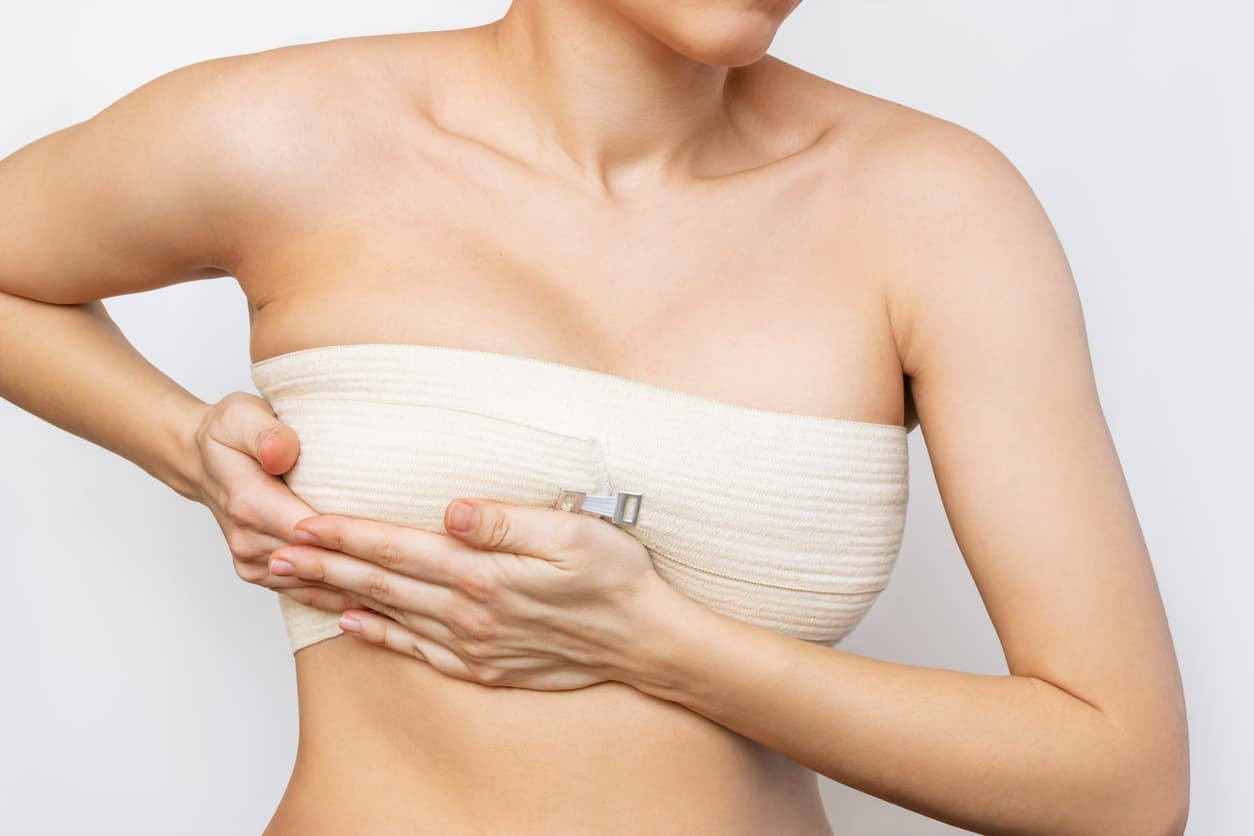
Healing plays an important role in how symmetry ultimately settles after surgery. Initial swelling, tissue settling, and scar maturation can temporarily affect the appearance of balance between both breasts.Over time, as healing progresses, the reconstructed breast continues to adapt and soften. Regular follow-up visits allow for minor refinements if needed, ensuring that symmetry is maintained in the long term.Patients are often guided on posture, supportive garments, and activity levels during recovery, as these factors can influence how evenly tissues heal and settle.
Psychological and Aesthetic Benefits
The impact of symmetry extends beyond physical appearance, significantly influencing emotional well-being. A balanced breast contour often helps individuals regain confidence in their body image after surgery.Many patients report feeling more comfortable in clothing and swimwear, as symmetry allows for a more natural silhouette. This improvement in self-perception can contribute positively to overall mental health and social confidence.From an aesthetic standpoint, symmetry enhances the natural flow of the body’s shape, ensuring that reconstructed breasts blend seamlessly with overall proportions.
Conclusion
Symmetry in breast reconstruction is achieved through a combination of surgical precision, personalized planning, and careful post-operative care. It focuses on creating balanced proportions that look natural and feel comfortable for the individual. With evolving techniques and advanced reconstructive strategies, patients can achieve outcomes that align closely with their body structure while maintaining long-term stability in appearance.
